

PC upgrades cost more than they used to. At least, if you’re looking to get more storage space. AI data center buildouts have obliterated affordable prices for SSDs and hard drives. Even SD cards and flash drives haven’t been immune!
If you’d like to reduce the sting of sky-high costs, Amazon’s October Prime Day offers a temporary reprieve. The main event kicked off on Tuesday, October 6 at midnight Pacific time, and has inspired rivals like Newegg to release its own deals in response. Given how harsh SSD prices are right now, a good deal is valuable no matter which major retailer offers it.
Accordingly, you’ll see a larger number of Newegg deals below. But regardless of where you shop, don’t sit on a sale price you like. It may not last very long.
Want to know the best drives out there? Have a look at our top picks for the best SSDs of 2026 and the best external drives of 2026. Looking for even more deals, including limited-time ones? Check out all of our Amazon October Prime Day coverage.
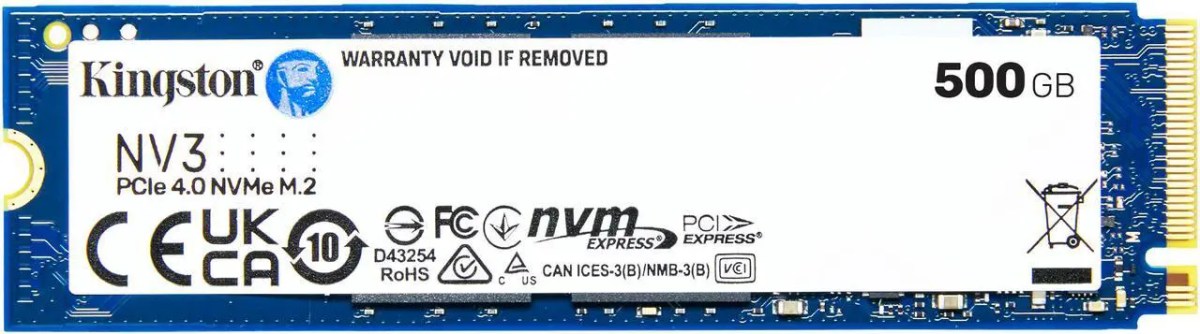
Kingston / Newegg
Who is this for? You can’t beat the speed of an NVMe SSD. If you can afford their now-inflated prices, starting (or upgrading) your PC with one ensures you’ll have snappier performance for years to come.
Why is this deal good? Prices on NVMe SSDs have been stubbornly high, but at $100, this drive from a respected manufacturer deftly straddles the line between performance and cost.
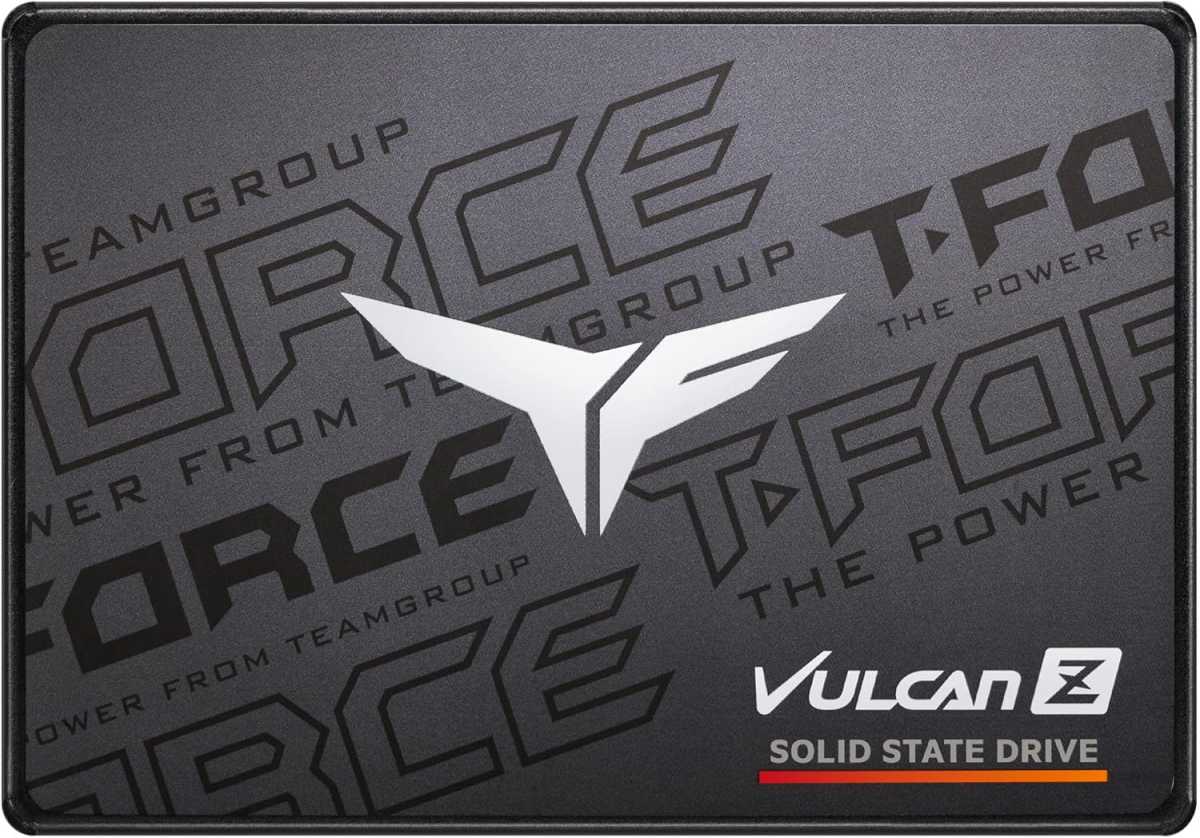
Team Group / Amazon
Who is this for? A SATA SSD has always been a great balance between “fast” and “affordable.” Team Group still delivers on this front with its Vulcan Z drives, which upgraders on a budget can easily grab in 512GB or 1TB configurations.
Why is this deal good? SATA SSDs are harder to find, and most have risen in price. Even with single-digit discounts, these Vulcan Z drives don’t cost as much as rivals.
These aren’t the only October Prime Day deals being tracked by the PCWorld team. If you’re looking to supercharge your home setup with the juiciest tech sales, hit the links for only the best expert-curated picks we’ve found.
The balance between demand and supply has shifted. Data centers want as much storage as possible, and that’s shrunk the number of drives available to consumers. As a result, prices have shot up dramatically over the past year.
Yes, but only to a point. Major manufacturers are generally reliable—think Samsung, Crucial, Western Digital (aka WD), SK Hynix, Corsair, Kingston, and even newer players like TeamGroup and Solidigm. Outside of that, you may be playing a bit fast and loose with your data’s longevity.
However, everyone has that one horror story about a hard-disk drive that failed, and why they’ll never use, say, WD or Crucial again. That’s less commonly a manufacturing error, and more so a matter of luck. No drive is guaranteed to meet its life expectancy, which is why you should perform regular backups.
SSDs are faster and take less room in a PC than a hard-disk drive (HDD), which gives them a strong edge. If you only have one storage drive in your PC, it should ideally be an SSD so you get faster boot times and quicker access to your files. A HDD as your primary drive will feel much slower.
But HDDs still have their advantages. First, they’re cheaper. The going price of a 2TB HDD is about the same (or less) than a 1TB SSD. You also can get them in higher capacities than SSDs, though the biggest capacities have become expensive. If you need secondary storage and you don’t need it to be fast, HDDs are a fantastic option.
Here’s the guideline we use for picking deals: First, it should be for an SSD that performs well (or in select cases, performs well for its MSRP), and has at least a 10-15 percent discount compared to its normal street price. Some models may be selected with a smaller discount if they rarely go on sale.
Tariffs have caused small increases on computer components, but storage pricing has been most affected by data centers. Demand has grown enough that supply available to consumers have shrunk, driving up prices.


